Introduction
Heart rate monitoring has revolutionized how we track our fitness and health. Modern wearable devices can continuously measure your heart rate throughout the day, providing valuable insights into your cardiovascular health, fitness levels, and overall wellbeing. But have you ever wondered how these tiny devices on your wrist can detect and measure something as complex as your heartbeat? Let’s explore the fascinating technology that makes this possible.
How Wearable Heart Rate Sensors Work
Optical Heart Rate Monitoring (PPG Technology)
Most modern fitness trackers use photoplethysmography (PPG) technology to measure heart rate. This method:
Emits LED light into the skin – Photons emitted from the light source are scattered and absorbed in human tissue. The longer the wavelength of the light, the deeper into the skin the light penetrates; so infrared light goes much deeper than green light, for example.
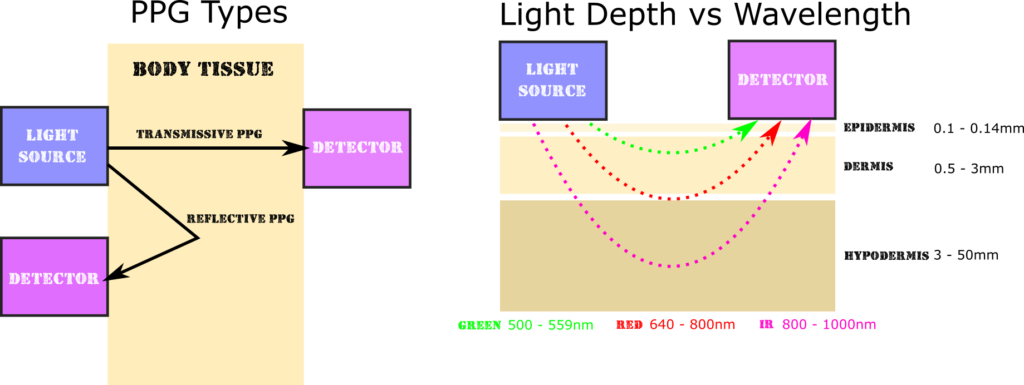
Detects light reflection patterns from blood flow – There are two ways to detect the light sent into the tissues: 1) Transmissive PPG (used clinically for pulse oximetry) uses a detector on the opposite side of a narrow zone, like your fingertip. 2) Reflective PPG, used in wearable devices, records scattered photons returning to the tissue surface.
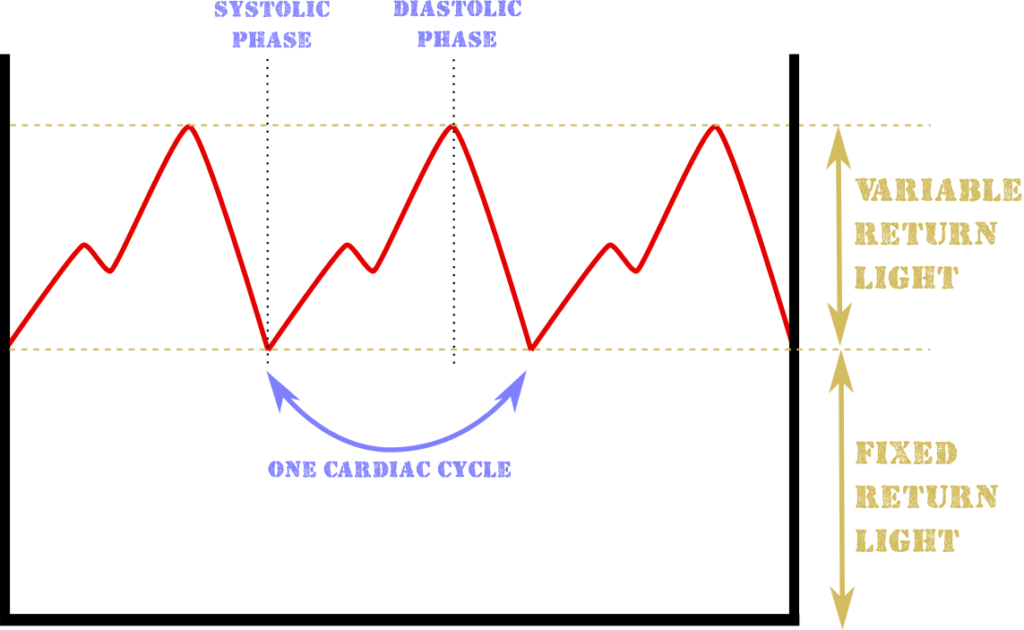
Calculates heart rate based on blood volume changes – Haemoglobin in blood absorbs much more light than the surrounding tissue; so in the systolic phase of a heartbeat cycle, when the diameter of the arterial vessels is at its peak, light absorbance will also be at a peak. The time between each peak is one cardiac cycle.
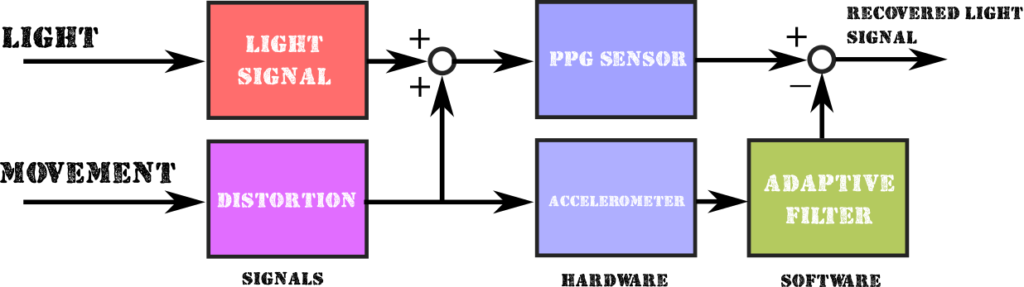
Uses algorithms to filter movement artefacts – Body movement affects the light reflection patterns, distorting the readings. Adaptive filtering algorithms can use a triaxial accelerometer to provide reference data that allows the algorithm to remove movement artefacts from the data.
ECG Technology in Advanced Wearables
Some premium devices include electrocardiogram (ECG) capabilities:
Measures electrical signals from the heart: electrodes pick up a waveform from the electrical activity through the cardiac muscles, allowing detection of many types of damage to heart tissue.
Provides medical-grade heart rhythm analysis: the gold standard 12-lead ECG is used in hospital environments; wearables use wrist sensors and sometimes a wireless chest sensor to provide pretty accurate data.
Detects potential irregularities: as well as monitoring known problems like sleep apnia, ECGs can detect non-symptomatic arrhythmia and cardiovascular disease – for example, one third of atrial fibrillation (AF) cases show little to no symptoms.
Offers more detailed heart health insights: good AI algorithms allow ECG data to complement PPG data for a fuller overall health picture.
Accuracy and Reliability Factors
Sensor Technology Quality
Various factors influence measurement accuracy:
- Number and type of optical sensors
- LED light wavelength and intensity
- Sensor placement and skin contact
- Processing algorithms sophistication
External Factors Affecting Readings
Common challenges include:
Motion artifacts during exercise: as previously mentioned, body movement will change the light scatter patterns.
Skin tone variations: although melanin absorbs more green light than lighter skin, most modern devices show under 10% error. Obesity causes much higher error rates.
Tattoos or scars: a lot of ink or strong scarring will affect the light scatter pattern and returning light intensity.
Environmental conditions: large deviations from a comfortable room temperature causes variations in the skin, from tautness when cold to sweatiness when hot, all affecting light scatter.
Device fit and positioning: the device needs to remain in place over the same skin area for accurate results.
Advanced Heart Rate Metrics
Heart Rate Variability (HRV)
HRV measurements provide insights into:
- Autonomic nervous system health
- Stress levels
- Recovery status
- Overall fitness condition
- Sleep quality
Continuous vs. Interval Monitoring
Different monitoring approaches serve various purposes:
24/7 continuous tracking: allows the discovery of paroxysmal (intermittent) conditions like atrial fibrillation. Much more of a health monitoring mode.
Exercise-only monitoring: can help improve the efficiency of exercise time in producing gains from exercise, especially for more elite athletes by keeping them in the right training zone throughout.
Spot/Interval measurements: for parameters like blood pressure, core body temperature, SpO2, Pulse Rate, and Inter Beat Interval.
Sleep tracking: using movement and PPG data to determine sleep quality.
Stress detection: using parameters like HRV to monitor stress markers
Applications in Health and Fitness
Fitness Training Benefits
Heart rate data helps optimize workouts through:
- Training zone guidance
- Exercise intensity monitoring
- Recovery time recommendations
- Performance tracking
- Cardio fitness assessment
Health Monitoring Applications
Modern devices support health management by:
- Detecting irregular rhythms
- Monitoring resting heart rate trends
- Identifying stress patterns
- Supporting sleep analysis
- Providing early warning signs
Latest Innovations in Heart Rate Technology
Multi-Wavelength Sensors
New sensor technologies include:
Multiple LED colours: including green, red and infra-red
Advanced light detection: increased sensitivity devices and more effective placement of multiple sensors on the wearable for light measurement.
Improved accuracy across skin tones: including algorithmic compensation for skin tone variance.
Enhanced motion compensation: the latest triaxial motion sensors include gyroscopes for enhanced accuracy in movement detection and therefore better motion artefact removal.
AI and Machine Learning Integration
Smart algorithms enhance monitoring by:
- Improving accuracy
- Detecting patterns
- Predicting health events
- Personalizing insights
- Reducing false readings
Understanding Your Heart Rate Data
Key Metrics to Monitor
Focus on these important measurements:
- Resting heart rate
- Maximum heart rate
- Heart rate zones
- Recovery rate
- Heart rate variability
Interpreting the Numbers
- Normal ranges for your age
- Personal baseline establishment
- Trend analysis
- Warning signs
- Progress indicators
Best Practices for Accurate Readings
Device Placement
Optimize your device position:
- Proper wrist placement
- Correct strap tightness
- Skin contact maintenance
- Movement considerations
When to Trust Your Data
Guidelines for reliable measurements:
- Consistency in readings
- Known accuracy limitations
- Movement interference
- Environmental factors
- Device calibration
Conclusion
Heart rate tracking technology has transformed from simple pulse measurements to sophisticated health monitoring systems. Understanding how these devices work helps you make better use of their capabilities and interpret your data more effectively. As technology continues to advance, we can expect even more accurate and insightful heart rate monitoring features in future wearable devices.
Looking Forward
The future of heart rate monitoring promises:
- Enhanced accuracy across all conditions
- More detailed health insights
- Better integration with healthcare systems
- Advanced preventive health features
- Improved personalization
Frequently Asked Questions
Q: How accurate are wearable heart rate monitors?
A: Modern devices are typically accurate within 5% of medical-grade devices during rest, though accuracy may vary during intense exercise.
Q: Can these devices detect heart problems?
A: While some devices can detect irregular rhythms, they should not replace medical monitoring for diagnosed heart conditions.
Q: Do I need to wear my device all day for accurate tracking?
A: Continuous wearing provides the most complete data, but even periodic monitoring can offer valuable insights.