
Fitness trackers have revolutionized the way people approach personal health and wellness. These powerful devices do more than count steps—they provide insights into our daily activities, sleep patterns, heart health, and overall fitness journey. But with hundreds of options across the market, choosing the right fitness tracker can feel overwhelming.
This comprehensive guide will walk you through everything you need to know to select the perfect fitness tracker that aligns with your specific fitness goals, lifestyle, and budget. Whether you’re a fitness enthusiast, a casual exerciser, or someone looking to improve your overall health, we’ll help you make an informed decision.
Understanding Your Fitness Goals
Identify Your Primary Fitness Objectives
Before diving into fitness tracker features, you should clarify your specific health and fitness goals, which will normally fall into one or more of several categories:
- Weight loss and calorie tracking
- Cardiovascular fitness improvement
- Strength training progress monitoring
- Sleep quality enhancement
- Overall health and wellness tracking
- Training for specific sports or activities
Different fitness trackers excel in different areas. Matching your goals to the right device ensures you get the most value from your investment.
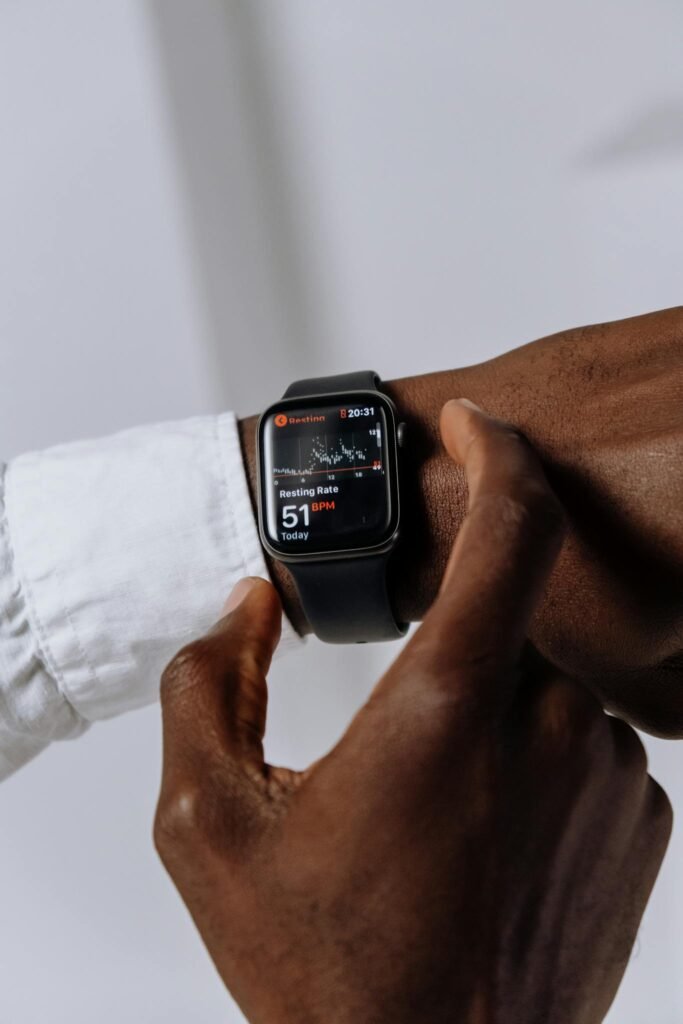
Key Features to Consider in a Fitness Tracker
Activity and Exercise Tracking
For monitoring athletic progress, look for trackers that offer a strong mix of the following capabilities:
- Accurate step counting
- Multiple-sport mode recognition
- GPS tracking
- Automatic workout detection
- Calories burned calculation
- Active minutes monitoring
Health Monitoring Capabilities
Monitoring your overall health and well-being will incorporate advanced features like:
- Heart rate monitoring
- Blood oxygen level tracking
- Stress level measurement
- Sleep stage analysis
- Recovery time insights
- Menstrual cycle tracking
Compatibility and Connectivity
You have to be able to use your tracker to gain any benefit, so ensure the fitness tracker works seamlessly with your existing hardware including your:
- Smartphone’s operating system
- Preferred fitness apps
- Bluetooth connectivity
How else can you use your data? Are there:
- Cloud sync capabilities?
- Third-party app integrations?
Budget Considerations
Price Range Breakdown
What can you expect to pay for a fitness tracker?
1. Budget Trackers ($50-$100)
- Basic activity tracking
- Simple health metrics
- Limited advanced features
2. Mid-Range Trackers ($100-$250)
- More comprehensive health tracking
- Better build quality
- Advanced sensor technologies
3. Premium Trackers ($250-$500)
- Most advanced health monitoring
- Premium design
- Comprehensive fitness and health analytics and insights
When considering how much you are prepared to pay for your device, remember that this is an investment in you: your health, quality of life and even your longevity can all be enhanced by this investment. How much do you value yourself?
Top Fitness Tracker Recommendations by Goal
Best for Weight Loss
Features to prioritize: Calorie tracking, activity motivation, heart rate zones
Best for Runners
Features to prioritize: GPS accuracy, pace tracking, recovery insights
Best for Strength Training
Features to prioritize: Rep counting, muscle recovery tracking, workout logging
Best for Overall Wellness
Features to prioritize: Comprehensive health metrics, sleep tracking, stress management
Additional Considerations
Extra Costs
Some advanced metrics may require an additional subscription, so be sure to understand the pricing structure of your preferred device.
Design and Comfort
You will need to wear your device for prolonged periods so make sure you are happy with its:
- Band material
- Water resistance (especially swimmers!)
- Screen type
- Weight and comfort
- Battery life
Data Privacy and Security
With the amount of personal data being collected by trackers, it is essential that you understand and are happy with your manufacturer’s:
- Data collection practices
- Encryption methods
- User control over personal health information
How to Make Your Final Decision
- List your top three fitness priorities
- Set a realistic budget
- Read professional and user reviews
- Check return policies
- Consider trying devices with free trials
Conclusion
Choosing the perfect fitness tracker is a personal journey. The right device should feel like an extension of your health and wellness goals—not a burden. Take time to research, understand your needs, and select a tracker that motivates and supports your fitness journey.
Remember, a fitness tracker is a tool. Your commitment, consistency, and effort are the real drivers of your health transformation.
Frequently Asked Questions
Q: How often should I replace my fitness tracker?
A: Most fitness trackers last at least 2-3 years before technology advances enough for you to want to update or battery performance noticeably declines.
Q: Are fitness trackers accurate?
A: While generally reliable, no tracker is 100% precise. They provide great near-approximations that allow for excellent trend data and motivation.
Q: Do I need a fitness tracker with GPS?
A: If you run, cycle, or do outdoor activities, GPS can be valuable. For gym or indoor workouts, it’s far less critical.



One Comment