Athletes often push their bodies to the limit in pursuit of excellence, leading to muscle fatigue, inflammation, and injuries. Cold therapy technology offers a promising solution to speed up recovery, helping them get back to peak performance. This blog post explores how cold therapy tech works, its benefits, and how to use it safely, providing a comprehensive guide for athletes and coaches.
Understanding Cold Therapy Technology
An athlete’s recovery is as critical to improvement as training and cold therapy technology is emerging as a vital tool towards this end. Cold therapy technology encompasses a range of devices designed to apply cold temperatures to the body for recovery. It includes:
- Ice packs and gel packs: Simple, portable options for localized injuries, effective for reducing pain and swelling.
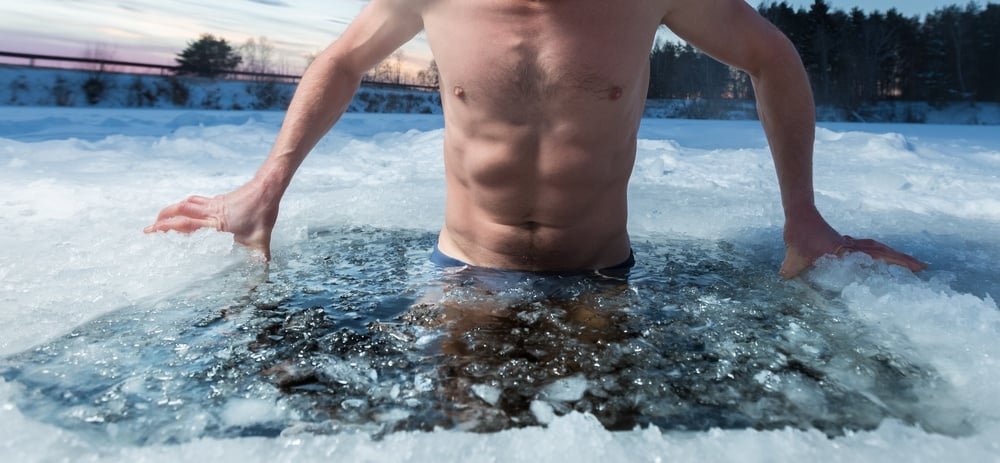
- Cold water immersion (ice baths): Involves submerging the body in 10-15°C water for 10-20 minutes (though some coaches and athletes opt for shorter immersion durations at colder temperatures of ~5°C), ideal for full-body recovery post-intense exercise.
- Cryotherapy chambers: Use liquid nitrogen to expose the body to very dry air at -100°C to -150°C for 2-4 minutes, popular among professionals for rapid recovery.
- Compression sleeves with cold therapy: Wearable devices combining compression and cold, targeting specific areas like legs or arms to improve circulation.
- Advanced cold therapy machines: High-tech systems like the Game Ready, offering precise temperature control and active compression, often used in professional settings.
These technologies differ from traditional methods like simple ice application by providing controlled, targeted, and often more comfortable recovery options, enhancing their utility in sports.
A promising new technology used in the same way as ice-packs is phase change material (PCM). Ice packs or cold gel packs absorb heat and melt (i.e. change phase) remaining cold for 20-30 minutes. PCM can absorb much larger amounts of heat while remaining at a near constant temperature, allowing for longer treatment durations up to 6 hours.
The Science Behind Cold Therapy
Cold therapy operates through several physiological mechanisms:
- Vasoconstriction: Cold temperatures constrict blood vessels, reducing blood flow to the area, which decreases swelling and inflammation by limiting fluid accumulation.
- Decreased metabolic activity: Lower temperatures slow cellular metabolism, reducing oxygen and nutrient demand, aiding healing by minimizing cell damage.
- Numbing effect: Cold numbs the area, blocking pain signals to the brain, providing relief from discomfort.
- Increased blood flow during rewarming: Post-therapy, blood vessels dilate, increasing blood flow to remove waste and deliver nutrients, supporting recovery.
These mechanisms make cold therapy effective for managing acute injuries and post-exercise recovery, particularly in reducing inflammation and pain, which are critical for athletes.
Benefits for Athletes
Cold therapy tech provides multiple benefits, enhancing recovery and performance:
- Faster recovery from injuries and workouts: Reduces inflammation, promoting quicker healing from both acute injuries and exercise-induced muscle damage.
- Reduced pain and swelling: Numbing effect and vasoconstriction decrease pain and swelling, enabling faster return to activity.
- Improved muscle function and range of motion: Reduced inflammation leads to better muscle function, crucial for athletic performance.
- Enhanced sleep quality: Some athletes report improved sleep post-therapy, vital for recovery and overall health.
- Boosted immune function: Evidence suggests cold therapy can stimulate the immune system, potentially reducing illness risk and aiding recovery.
An interesting detail is the potential for enhanced mental clarity and stress reduction, reported by athletes, which can indirectly support recovery by improving focus and resilience.
Scientific Studies Supporting Cold Therapy
Numerous studies validate cold therapy’s effectiveness, though some controversies exist:
- A 2019 study in the European Journal of Sport Science by Leeder et al. found cold water immersion improved sprint speed recovery 24 hours post-simulated tournament, highlighting its efficacy for performance recovery (Cold water immersion improves recovery of sprint speed following a simulated tournament).
- Research in the Journal of Applied Physiology (2015) by Roberts et al. showed whole-body cryotherapy reduces inflammation markers, supporting recovery in athletes (Post-exercise cold water immersion attenuates acute anabolic signalling and long-term adaptations in muscle to strength training).
- A systematic review in the International Journal of Sports Physiology and Performance (2013) by Versey et al. concluded cold water immersion effectively reduces muscle damage post-exercise, reinforcing its recovery benefits (Water immersion recovery for athletes: Effect on performance and practical recommendations).
- However, a 2015 study in the Journal of Physiology by Roberts et al. found regular cold water immersion after resistance training can attenuate muscle growth, suggesting caution for hypertrophy-focused athletes (Post-exercise cold water immersion attenuates acute anabolic signalling and long-term adaptations in muscle to strength training).
This controversy highlights the need for tailored application, with cold therapy perhaps being more beneficial for endurance and sprint recovery than resistance training for muscle growth. Scientific research has yet to establish what is more important: recovery to ensure subsequent training sessions are of the highest quality and intensity, or avoiding any dampening of the training’s stimulus.
How to Incorporate Cold Therapy into Your Recovery Routine
Effective use requires proper techniques:
- Proper application techniques: Wrap ice packs in a thin towel to prevent skin damage, ensure water temperature for immersion is 10-15°C, and follow device instructions for advanced machines.
- Duration and frequency of use: Typically, 10-20 minutes per session, used post-exercise or injury, but avoid overuse to prevent reduced effectiveness or side effects.
- When to use cold therapy: Most effective immediately after injury or within 48 hours post-intense exercise; for chronic conditions, use as needed for pain management.
Consulting a healthcare professional or sports therapist is recommended to tailor usage, ensuring safety and efficacy, especially for individual conditions.
Potential Risks and Precautions
While generally safe, cold therapy has risks:
- Skin irritation and frostbite: Prolonged exposure can cause skin damage; monitor for redness, numbness, or pain.
- Nerve damage: Extended cold exposure may damage nerves, leading to reduced sensation or function.
- Hypothermia: Whole-body exposure, like ice baths or cryotherapy, can lower core temperature, posing risks if unmanaged.
- When not to use: Avoid if you have poor circulation, Raynaud’s disease, or open wounds; consult professionals for medical conditions affected by cold.
These precautions ensure safe use, minimizing adverse effects and maximizing benefits.
Conclusion and Future Outlook
Cold therapy technology is a game-changer for athlete recovery, offering proven benefits in reducing pain, inflammation, and speeding healing. However, its application must consider training goals, with potential limitations for muscle growth in resistance training. As technology advances, expect more innovative solutions, further enhancing recovery and performance, making cold therapy an integral part of sports science.
This comprehensive analysis underscores its importance, providing athletes and coaches with the knowledge to leverage cold therapy effectively, while acknowledging ongoing research to refine its use.