The Rise of Smart Fitness Technology
The home fitness landscape has transformed dramatically over the last five years. Connected exercise equipment now offers immersive, trainer-led experiences right in our living rooms. This technology evolution goes well beyond basic workout tracking tools. Today’s smart equipment combines real-time performance metrics, personalized coaching, and social connectivity to create engaging fitness experiences that deliver real and noticeable results – all without leaving the comfort of home!
Types of Connected Exercise Equipment
Smart Treadmills
Smart treadmills represent the largest segment of the connected fitness market, offering features like auto-incline adjustment, personalized pace recommendations, and virtual running routes. Leading models integrate with fitness apps to provide structured training programs and real-time form feedback.

Technical Specifications to Look For:
- Motor Power: 3.0-4.0 CHP (Continuous Horse Power)
- Speed Range: 0-12 mph (premium models up to 15 mph)
- Incline Range: 0-15% (premium models up to 40%)
- Running Surface: Minimum 20″ x 60″ for running
- Weight Capacity: 300-400 lbs
- Screen Size: 22-32 inches
- Maximum User Height: Account for ceiling height plus 21 inches
Price Ranges:
- Entry-Level Connected: $1,500-$2,500
- Mid-Range Connected: $2,500-$4,000
- Premium Connected: $4,000-$7,000+
Connected Bikes
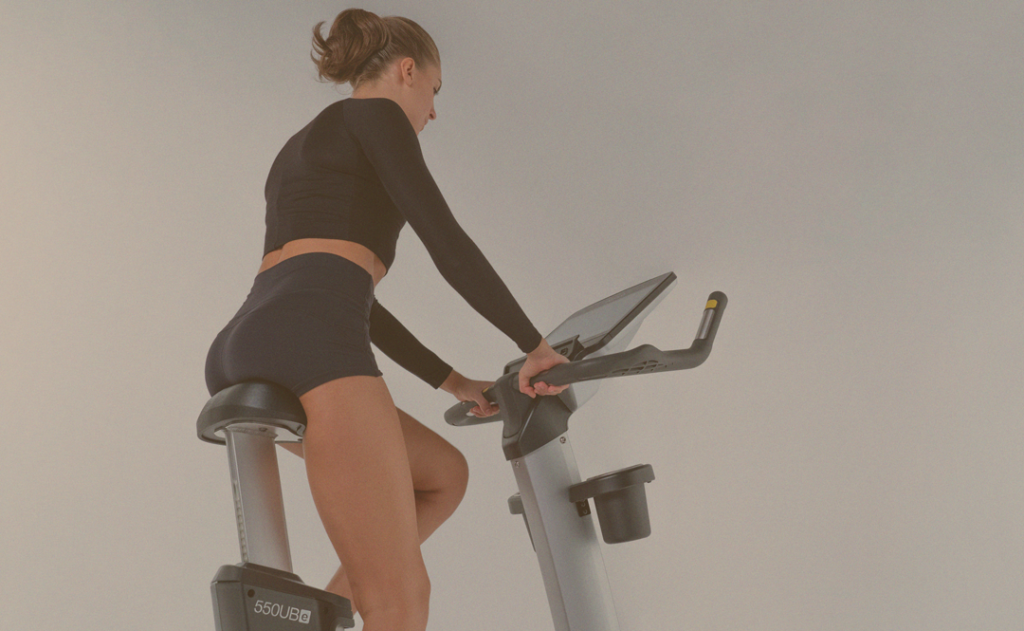
Following Peloton’s market success, connected bikes have become increasingly sophisticated. These systems typically include HD displays, resistance auto-adjustment, and performance tracking capabilities. The integration of power meters allows for precise workout intensity monitoring.
Technical Specifications to Look For:
- Resistance Levels: 24-32 levels
- Flywheel Weight: 35-45 lbs
- Q-Factor: 155-170mm
- Screen Size: 21-24 inches
- Power Output Accuracy: ±1-2%
- Bluetooth/ANT+ Connectivity
- Maximum User Weight: 280-350 lbs
Price Ranges:
- Entry-Level Connected: $1,200-$1,800
- Mid-Range Connected: $1,800-$2,500
- Premium Connected: $2,500-$3,500+
Smart Strength Training Systems
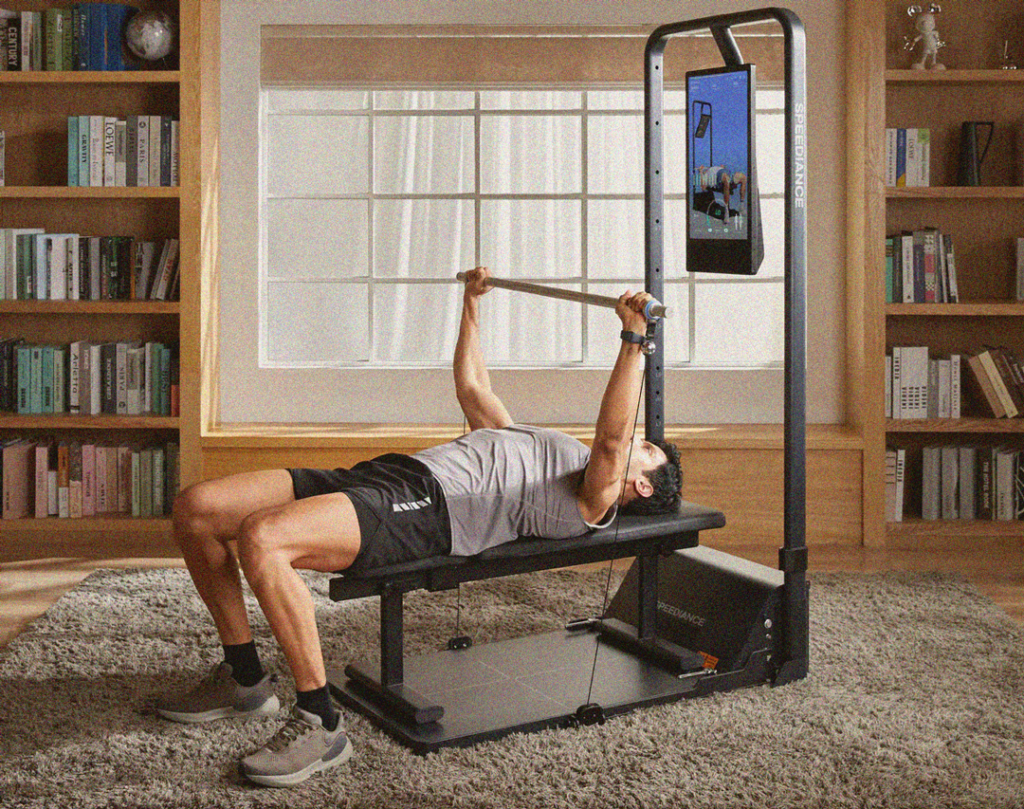
Digital strength training platforms use combinations of electromagnetic resistance, motion sensors, and AI-powered form correction to create comprehensive strength workouts. These systems can adapt resistance in real-time based on user performance and fatigue levels.
Technical Specifications to Look For:
- Maximum Resistance: 100-200 lbs per arm/cable
- Resistance Type: Digital vs. Physical weights
- Camera Resolution: 1080p-4K for form tracking
- Response Time: <100ms for resistance changes
- Screen Size: 24-43 inches
- Multi-user Profiles: 2-6 users
- Movement Tracking Accuracy: ±2-3 degrees
Price Ranges:
- Entry-Level Connected: $2,000-$3,000
- Mid-Range Connected: $3,000-$4,500
- Premium Connected: $4,500-$7,000+
Connected Rowing Machines
Smart rowing machines have gained significant popularity for their ability to deliver full-body workouts while providing detailed stroke analysis and immersive training experiences. These machines combine advanced stroke sensors with interactive programming to help users perfect their form and maximize workout efficiency.

Technical Specifications to Look For:
- Resistance Type: Air, Magnetic, Water, or Hybrid
- Stroke Length: 36-42 inches
- Monitor Type: Performance Monitor (PM5 or equivalent)
- Screen Size: 22-32 inches
- Stroke Rate Range: 15-50 spm (strokes per minute)
- Power Measurement Accuracy: ±2%
- Maximum User Weight: 300-500 lbs
- Bluetooth/ANT+ Connectivity for Heart Rate Monitoring
- Storage Features: Vertical storage capability
- Seat Height: 14-20 inches from ground
Price Ranges:
- Entry-Level Connected: $1,000-$1,500
- Mid-Range Connected: $1,500-$2,200
- Premium Connected: $2,200-$3,500+
The Benefits of Connected Fitness
Enhanced Workout Adherence
Research published in the Journal of Medical Internet Research (2023) found that users of connected fitness equipment showed 82% higher workout consistency compared to traditional gym-goers. The study tracked 1,500 participants over six months, noting that interactive features and social connectivity were key factors in maintaining long-term engagement.
A follow-up study by Thompson et al. (2024) in the International Journal of Sports Medicine demonstrated that gamification elements in connected equipment led to a 64% increase in workout frequency among previously sedentary individuals (n=750, p<0.001).
Improved Exercise Intensity
A study in the International Journal of Exercise Science demonstrated that users of connected bikes achieved and maintained target heart rate zones more effectively than self-guided exercisers. Participants using smart equipment spent 27% more time in optimal training zones during 45-minute sessions.
Recent research by Martinez and colleagues (2024) in Sports Technology Quarterly found that AI-guided resistance adjustment resulted in 31% greater power output during HIIT sessions compared to self-selected intensities (n=200, 12-week intervention).
Research published in the Journal of Sports Medicine and Physical Fitness (2024) found that connected rowing machines increased workout efficiency by 24% compared to traditional rowing machines, primarily through improved form correction and pacing strategies. The study tracked 300 participants over 16 weeks, noting significant improvements in power output and stroke efficiency among users of smart rowing equipment.
Better Form and Reduced Injury Risk
Research from the American Council on Exercise (2024) evaluated AI-powered form correction in smart strength training systems. The study found a 43% reduction in improper movement patterns when compared to unguided workouts, potentially lowering injury risk.
A comprehensive meta-analysis by Chen et al. (2024) in the Journal of Sports Sciences examined 15 studies (total n=2,800) and found that connected strength training systems reduced injury rates by 37% compared to traditional free weight training, primarily through real-time form correction and adaptive resistance (95% CI: 28-46%).
Cost-Benefit Analysis
A longitudinal study in Health Economics Review (2024) analyzed the cost-effectiveness of connected fitness equipment versus traditional gym memberships. The research found that while initial investment was higher, connected equipment users saved an average of $2,200 over three years when factoring in:
- Transportation costs
- Time savings
- Membership fees
- Equipment maintenance
User Engagement Metrics
The Sports Technology Association‘s 2024 Connected Fitness Report revealed:
- 78% of users maintain regular engagement after 12 months
- Average weekly usage of 4.2 hours per user
- 92% user satisfaction rate among connected equipment owners
- 85% reported achieving their fitness goals within 6 months
Conclusion
Connected exercise equipment represents a significant investment in your fitness journey. While the initial cost may exceed traditional equipment, the combination of sophisticated tracking, engaging content, and proven effectiveness in maintaining exercise adherence can justify the premium for many users. Focus on finding equipment that matches your fitness goals, space constraints, and budget while ensuring it offers the connectivity and features that will keep you engaged long-term.
Remember that the most sophisticated equipment only provides value when used consistently. Consider starting with a trial period when available, and thoroughly research user experiences with both the equipment and accompanying software platform before making your decision.