Health monitoring devices have become essential tools for managing personal health from home, offering insights into metrics like blood pressure, blood sugar, and sleep patterns without needing expensive medical professional input. This guide aims to help you understand the types available, their effectiveness, and how to select the right one for your needs, ensuring you can make informed decisions for your well-being.
Choosing the Right Device
Health monitoring devices have evolved significantly in recent years, driven by technological advancements and a growing consumer interest in personal health management. The devices listed here, ranging from simple thermometers to sophisticated wearables, empower you to accurately track your vital signs and overall wellness metrics at home; taking control of your health.
Blood Pressure Monitors
Blood pressure monitors measure arterial pressure, which is crucial for managing hypertension. These devices typically use an arm or wrist cuff, with digital models being most common for home use. Recommended models include the Omron Platinum BP5450, Withings BPM Connect, and iHealth Track Smart Upper Arm Blood Pressure Monitor, praised for accuracy and user-friendly interfaces. Studies, such as one published in the British Journal of General Practice (Accuracy of blood-pressure monitors owned by patients with hypertension), found that validated monitors closely align with medical-grade devices, with an error threshold of ±3 mmHg. Consumers should ensure devices are validated by the British and Irish Hypertension Society or FDA for reliability.
Blood Glucose Monitors
For diabetes management, blood glucose monitors offer two main types: traditional finger-prick meters and continuous glucose monitors (CGMs). Popular models include Dexcom G7, FreeStyle Libre, and Accu-Chek Guide Me. CGMs provide real-time data, while finger-prick monitors offer precise readings at specific times. Research, such as a study in the Journal of Clinical Monitoring and Computing (Effectiveness of consumer-grade contactless vital signs monitors), supports their accuracy, noting CGMs are particularly effective for tracking trends. Users should consider cost, with CGMs being pricier, and ensure proper calibration for accurate results.
Pulse Oximeters
Pulse oximeters measure blood oxygen saturation and heart rate, vital for conditions like COPD or during respiratory illnesses. Devices like Nonin Onyx Vantage 9590, Innovo iP900B, and Oxiline Pulse XS Pro are recommended, with FDA clearance ensuring accuracy. A meta-analysis in PMC (Accuracy of consumer-grade pulse oximeters) found these devices reliable for heart rate measurement, though limitations include motion and lighting issues. They are particularly useful for athletes and those monitoring respiratory health at home.
Smart Scales
Smart scales extend beyond weight measurement, assessing body fat, muscle mass, and other metrics using bioelectrical impedance analysis (BIA). Recommended models include Wyze Scale, Renpho Bluetooth Body Fat Scale, and Withings Body+, offering app integration for tracking. While BIA has limitations, studies suggest these scales are consistent for tracking changes over time (Validation of bioelectrical impedance analysis). Users should place them on even surfaces and weigh at consistent times for accuracy.
Fitness Trackers/Wearables
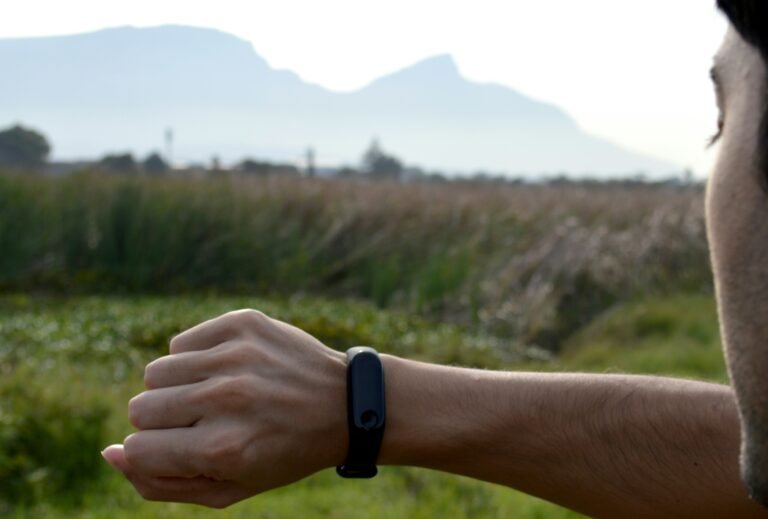
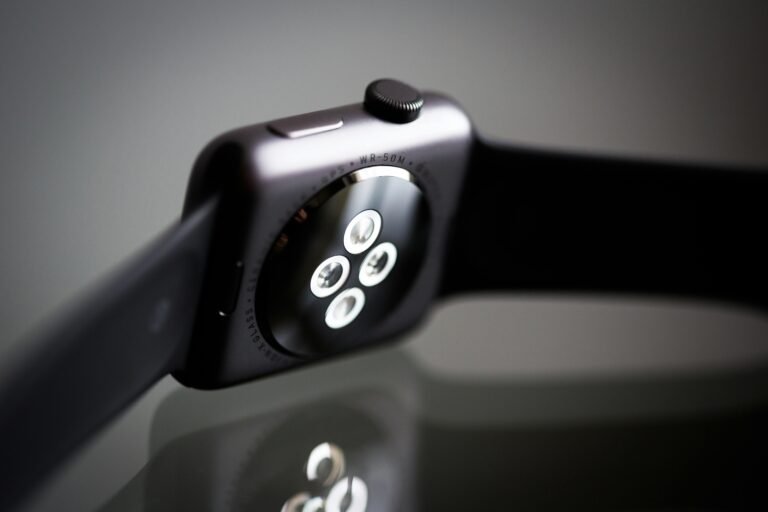
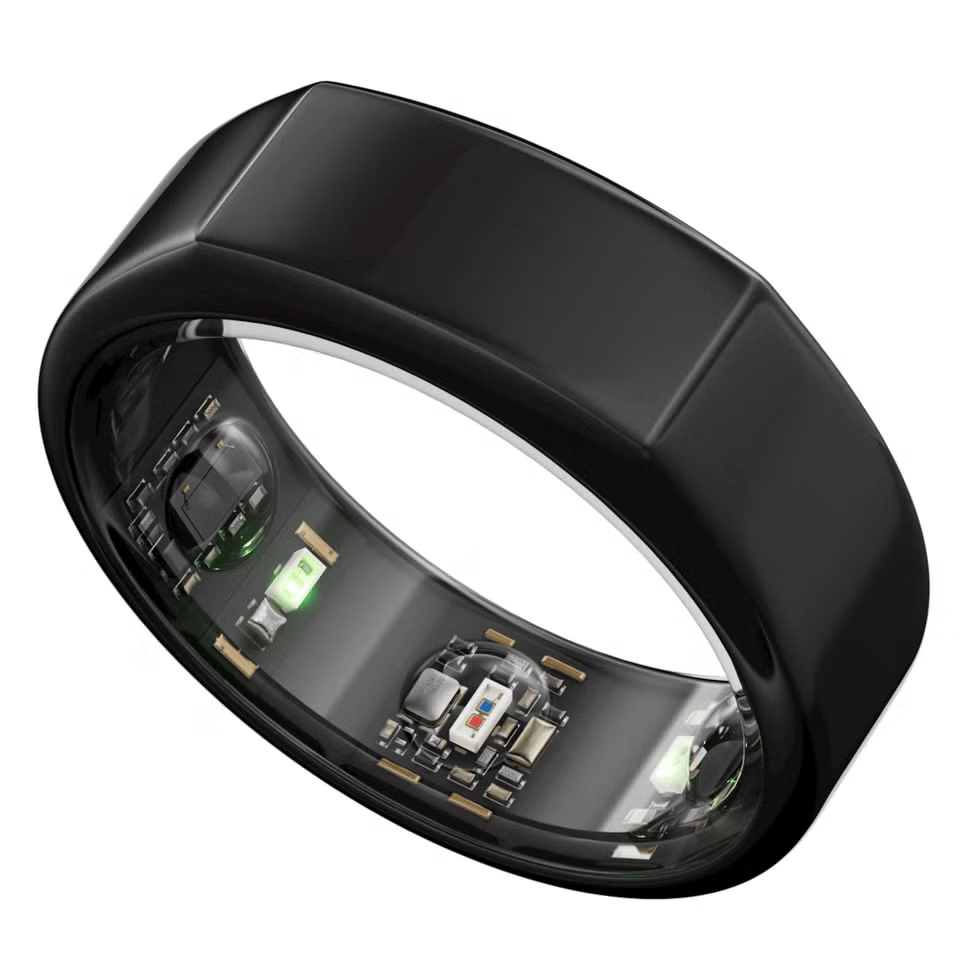
Fitness trackers monitor activity, heart rate, sleep, and more, promoting wellness. Models like Fitbit Charge 6, Apple Watch Series 9, and Oura Ring are popular, with features including ECG monitoring and stress tracking. Research indicates varying accuracy, with improvements in sensor technology enhancing reliability (Accuracy of wearable heart rate monitors). These devices are ideal for general fitness but may not replace medical-grade diagnostics, especially for heart rhythm issues.
Sleep Monitors
Sleep monitors track patterns and quality, aiding in better rest. Options include wearable trackers like Oura Ring, Whoop Strap, and non-wearable solutions like under-mattress sensors. The Sleep Cycle app is also noted for its ease of use. Studies suggest these devices provide useful insights into sleep stages, though not as precise as lab-based polysomnography (Validation of consumer sleep trackers). Users should consider comfort, as wearables may affect sleep initially, and interpret data alongside personal feelings of restfulness.
Thermometers
Thermometers measure body temperature, essential for detecting fevers. Types include digital, infrared, and smart models, with recommended options like Vicks ComfortFlex, Braun No-Touch, and iProven NCT-978. Research supports their accuracy, with digital models meeting international standards (Accuracy of digital thermometers). Features like backlit displays and app connectivity enhance usability, particularly for families with children.
ECG Monitors
ECG monitors track heart rhythms, useful for detecting abnormalities like atrial fibrillation. Handheld and wearable models, such as KardiaMobile, AliveCor, and Wellue Portable EKG Monitor, are suitable for home use. Studies confirm their accuracy for detecting irregular rhythms, though medical interpretation is recommended (Accuracy of consumer-grade ECG monitors). These devices are portable and connect to smartphones, making them convenient for ongoing monitoring.
Selection Criteria and Considerations
Choosing the right device involves several factors:
- Specific Health Metric: Identify what you need to monitor, such as blood pressure for hypertension or glucose for diabetes.
- Accuracy and Reliability: Opt for devices with validations from the FDA or other reputable bodies, ensuring they meet clinical standards.
- Ease of Use: Consider user-friendly interfaces, especially for elderly users or those with limited tech skills.
- Compatibility: Check for app integration with platforms like Apple Health or Google Fit for seamless data tracking.
- Cost: Balance features with budget, noting that some devices, like CGMs, can be expensive.
- Certifications: Look for FDA approval or validations to ensure reliability, particularly for critical metrics like ECG readings.
General advice includes consulting healthcare providers for interpretation, especially for conditions requiring medical attention. Proper usage, such as correct positioning for blood pressure monitors or calibration for glucose monitors, is crucial for accurate readings.
Conclusion and Final Thoughts
Health monitoring devices offer significant benefits for home health management, providing real-time data and insights into various metrics. From blood pressure monitors to ECG devices, these tools empower users to take proactive steps toward wellness. However, their effectiveness depends on choosing validated models and using them correctly. Always consult healthcare professionals for interpretation, especially for complex conditions. With the right device and knowledge, you can enhance your health management and live a more informed, healthier life.