
Years ago, sleep technology was a radio alarm clock. Modern devices and applications now offer sophisticated solutions that can go a long way towards improving your sleep quality. This article explores some evidence-based technology strategies that can help you achieve better sleep and maintain healthy sleep hygiene practices.
Technology and Sleep Quality
The relationship between technology and sleep presents both challenges and opportunities. While excessive screen time can disrupt our natural sleep patterns, strategic use of sleep technology can actually enhance our rest. Research published in the Journal of Clinical Sleep Medicine shows that proper technology management can lead to a 23% improvement in sleep quality scores.

Smart Light Management for Natural Sleep Cycles
Light exposure plays a crucial role in regulating our circadian rhythm. Smart lighting systems can help optimize your environment for better sleep:
- Smart bulbs programmed to gradually dim as bedtime approaches, mimicking natural sunset
- Automated blue light filters that activate in the evening
- Dawn simulation lights that create a gentle morning wake-up experience
Some Recommended Products:
- Philips Hue White Ambiance: Offers scheduled dimming and color temperature adjustment
- LIFX Day & Dusk: Automatically transitions through optimal light colors throughout the day
- Circadian Optics Lumos 2.0: Professional-grade light therapy lamp for morning light exposure
- f.lux software (free): Automatically adjusts computer screen color based on time of day
A 2023 study in Sleep Medicine Reviews found that participants using smart lighting systems reported falling asleep 37% faster compared to those using traditional lighting.
Sleep Tracking Technology: Understanding Your Rest Patterns
Modern sleep tracking devices provide valuable insights into sleep patterns and quality:
- Wearable devices that monitor heart rate variability (HRV) and movement patterns
- Smart mattress sensors that track sleep stages and breathing patterns
- Mobile applications that analyze sleep efficiency and duration
Top Sleep Tracking Solutions:
- Oura Ring Generation 4: Provides detailed sleep staging and readiness metrics
- Withings Sleep Tracking Mat: Offers non-wearable sleep tracking and snoring detection
- Eight Sleep Pod Pro Cover: Combines sleep tracking with temperature regulation
Apps for comprehensive sleep monitoring:
- Sleep Cycle: Advanced sleep analysis and smart alarm features
- AutoSleep: Detailed sleep tracking for Apple Watch users
- Sleep as Android: Feature-rich sleep tracking for Android users
Research from the Sleep Medicine Clinics journal indicates that individuals who regularly track their sleep patterns show a 31% improvement in sleep consistency over three months.
Ambient Sound Technology for Enhanced Sleep Quality
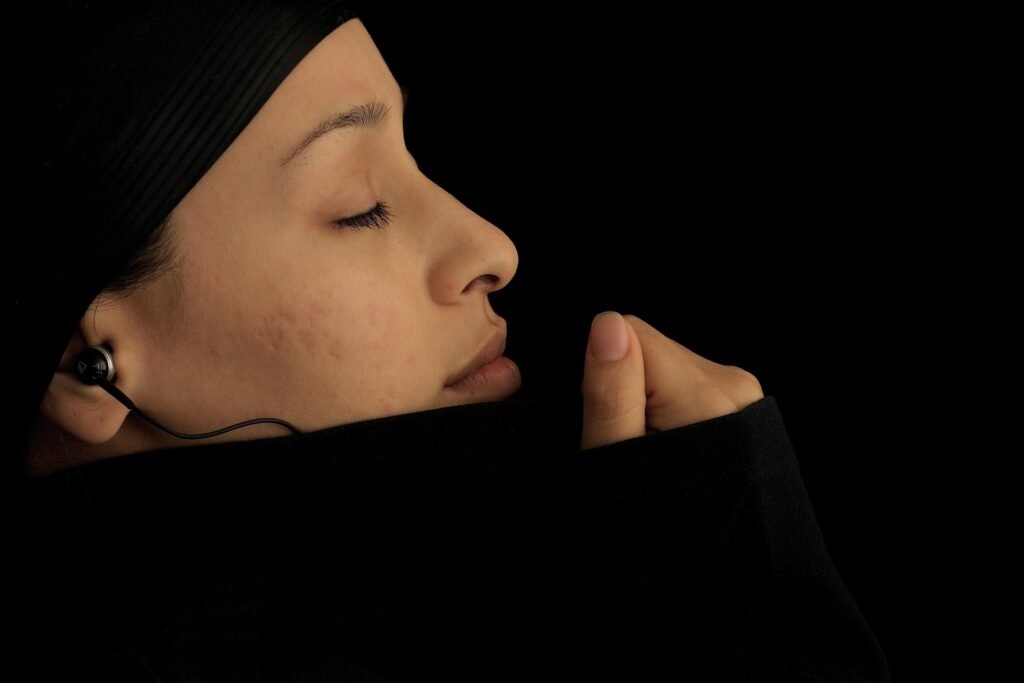
Sound technology has proven particularly effective in promoting better sleep:
- White noise machines that mask disruptive environmental sounds
- Smart speakers with adaptive sound algorithms
- Applications offering scientifically composed sleep music
Recommended Sound Solutions:
- LectroFan Classic: Offers 10 fan sounds and 10 white noise variations
- Hatch Restore: Combines sound machine, smart light, and sunrise alarm
- Bose Sleepbuds II: Wireless earbuds designed specifically for sleep
Apps for sleep sounds:
- Calm: Premium sleep stories and meditations
- White Noise Lite (Apple) or (Android): Customizable ambient sound mixing
- Brain.fm: AI-generated music for optimal sleep
A clinical trial published in Nature and Science of Sleep demonstrated that participants using calibrated ambient sound technology experienced:
- 40% faster sleep onset
- 35% fewer night time awakenings
- 28% improvement in overall sleep quality
Temperature Regulation Technology
Smart temperature control systems can maintain optimal sleeping conditions throughout the night:
- Smart thermostats that automatically adjust room temperature
- Climate-controlled mattress pads
- Temperature-regulating bedding materials
Recommended Temperature Control Products:
- Ecobee SmartThermostat: Features room sensors and sleep scheduling
- Chilipad Dock Pro: Precision temperature-controlled mattress pad
- BedJet 3: Climate comfort system with biorhythm sleep technology
- Ember Temperature Control Smart Mug²: Maintains optimal beverage temperature for pre-bed routine
Studies from the International Journal of Environmental Research and Public Health show that maintaining a consistent room temperature between 65-68°F (18-20°C) can improve sleep efficiency by up to 25%.
Conclusion: Creating Your Tech-Enhanced Sleep Environment
Technology, when used mindfully, can significantly improve your sleep quality. The key lies in selecting and implementing tools that address your specific sleep challenges while maintaining consistent sleep hygiene practices. Start with one technology strategy and gradually incorporate others based on your needs and preferences.
When choosing sleep technology products, consider:
- Your specific sleep challenges
- Budget constraints
- Ease of use and setup
- Integration with existing smart home systems
- Product reviews and reliability
Remember that while technology can support better sleep habits, it should complement, not replace, fundamental sleep hygiene practices like maintaining a regular sleep schedule and creating a relaxing bedtime routine.
Note: While this article cites various studies, always consult with healthcare professionals for personalized sleep advice, especially if you have specific sleep disorders or health conditions. Product recommendations are based on current market availability and user reviews as of 2025.

One Comment